Why local content caching changes the economics of a network
Serving popular content close to subscribers can cut international traffic, improve quality and free up capacity for growth.

When a subscriber in Hawassa opens a popular video, the request may travel across borders and back to fetch something thousands of nearby users have already watched. The operator pays for that journey each time, and the subscriber feels it as buffering.
Local caching stores popular content inside the country, close to where people use it. It is one of the most direct ways to improve experience and lower international transit at once.
What belongs near the edge
- Popular video and streaming segments
- Software and mobile app updates
- Static assets for high-traffic websites
- Latency-sensitive functions such as DNS
Placement matters
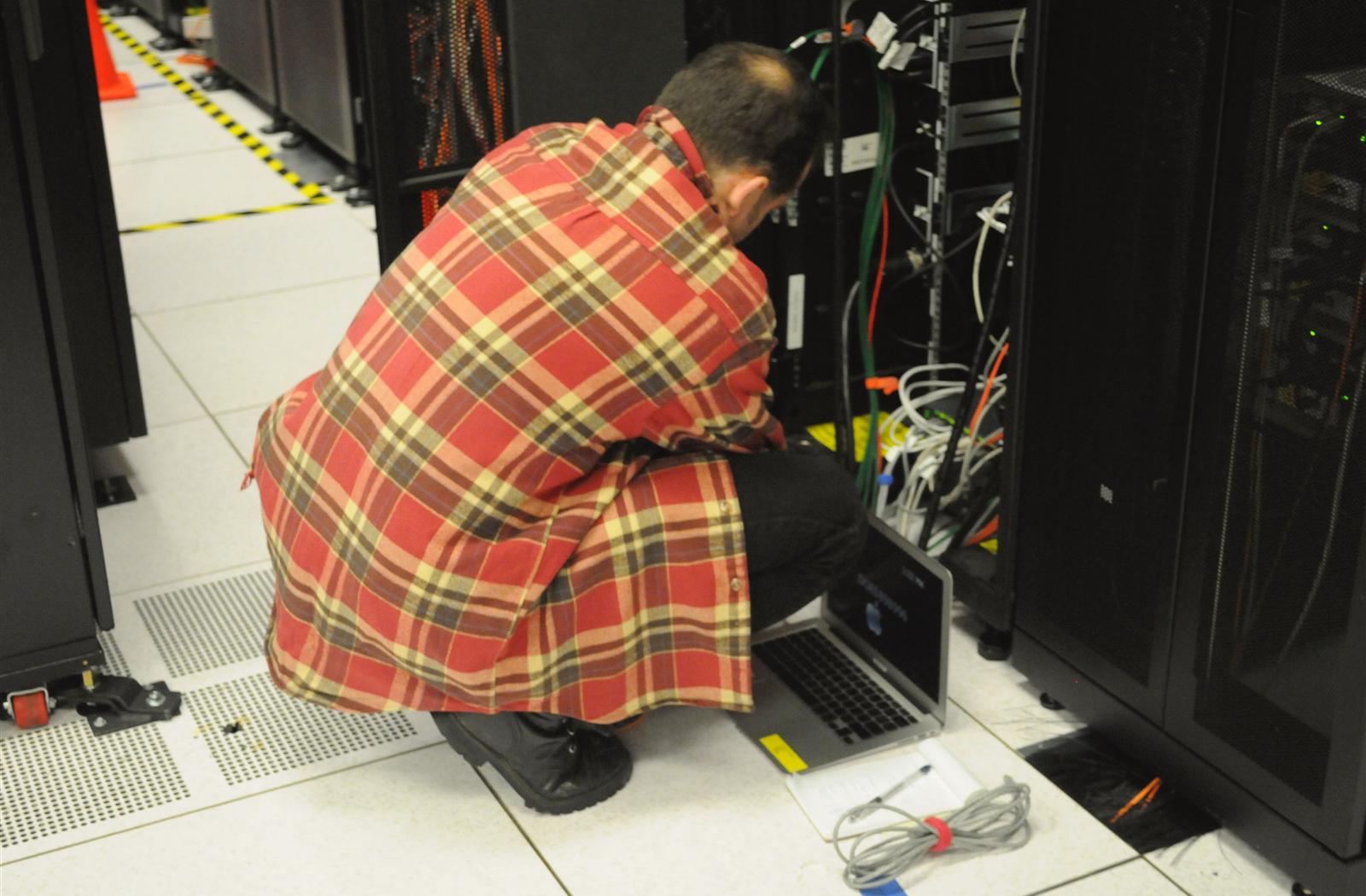
Racks need to sit beside carrier connection points, with power density suited to network equipment. Engineers need a separate management network, so that an incident on the production network does not lock them out of the tools needed to fix it.
Every request answered locally is international capacity you did not have to buy.
Measure what you gain
| Measure | What it tells you |
|---|---|
| Cache hit ratio | How much traffic is served locally |
| International transit used | The direct cost effect |
| Time to first byte | What subscribers actually feel |
| Peak-hour congestion | Whether capacity has been freed |
Quick answers
What is content caching?+
Storing copies of frequently requested content close to users, so requests are answered locally rather than fetched from distant servers.
How do operators measure caching success?+
Through cache hit ratio, reduced international transit, faster time to first byte and lower peak-hour congestion.
Talk to our team, or explore how HuluBuild Cloud can help.